Poultry farming is one of the most lucrative and sustainable agricultural ventures in Kenya today. It not only provides food and nutrition security but also offers excellent business opportunities for entrepreneurs and job seekers alike. Whether you want to start small in your backyard or launch a large-scale commercial farm, poultry farming can be a rewarding investment if done correctly.
 |
| Free-range poultry farming |
Why Poultry Farming Is a Great Business in Kenya
-
High Demand: Chicken meat and eggs are staple foods in most Kenyan homes, hotels, and restaurants, ensuring a steady market all year round.
-
Job Creation: Poultry farming provides employment opportunities across the value chain—from feed production and hatcheries to transportation and sales.
-
Sustainable Income: A well-managed poultry farm can generate millions of shillings annually, depending on its scale.
-
Scalability: You can start small and grow over time as you learn and gain experience.
On average, a successful poultry farmer can earn over Ksh 5 million per year, depending on the number of birds and management practices.
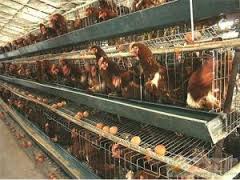 |
| Battery cage poultry farming |
Types of Chickens to Keep in Kenya
Before starting, it’s important to decide what type of poultry business you want to venture into. There are three main types of chickens commonly reared in Kenya:
1. Layers (Pullets)
Layers are raised primarily for egg production. They require more care and management but offer consistent and long-term income from both eggs and eventual meat sales.
2. Broilers
Broilers are raised for meat. They grow very fast and are ready for market within 8–12 weeks from hatching. This makes them ideal for farmers seeking quicker returns.
3. Cockerels
Cockerels are also reared for meat but mature more slowly, usually within 20–24 weeks. They are hardy, adaptable to harsh weather, and have lower mortality rates compared to broilers and layers.
What You Need to Start a Poultry Farm in Kenya
1. Land
Land is the first and most crucial requirement. For a medium-scale poultry farm, a plot of about 120 x 60 square meters is sufficient.
Choose a location in a rural or peri-urban area where land is affordable and away from noise and pollution. Owning the land is better than renting since relocation can be costly.
2. Housing (Cages or Chicken House)
Proper housing ensures good ventilation, space, and protection for your birds.
-
The poultry house should be spacious to allow birds to move freely and prevent overcrowding.
-
Ensure good air circulation to reduce heat and ammonia buildup.
-
Cleanliness and dryness are key to preventing diseases.
A well-built structure is not only affordable but also increases the survival rate and productivity of your birds.
3. Day-Old Chicks
This is where your poultry journey truly begins.
-
Always buy your chicks from a reputable hatchery to ensure good quality and healthy stock.
-
Avoid middlemen who may sell weak or infected chicks.
-
During their first 2–3 weeks, chicks require constant warmth, clean feed, and water.
A brooder (a heated enclosure) is essential for keeping chicks warm since they cannot regulate their body temperature during this stage. Use plastic feeders for easy cleaning and monitor their growth closely.
4. Feeding and Nutrition
Good feed translates to healthy birds and higher productivity.
-
Use commercial poultry feed for balanced nutrition.
-
Provide clean water at all times.
-
Supplement with vitamins and minerals to boost immunity.
As your birds grow, their feed type changes—from chick mash to grower mash and finally to layer or broiler finisher mash, depending on your chosen production type.
5. Lighting and Power Supply
Lighting helps regulate the birds’ growth and egg production cycles.
-
Ensure your poultry house has constant light during the night, especially for chicks.
-
A reliable power source or backup (like solar or a generator) is highly recommended.
Caring for Your Birds
As your chicks grow into pullets, hens, or roosters, daily care becomes routine.
-
Provide fresh feed and clean water daily.
-
Maintain hygiene to prevent diseases.
-
Vaccinate your birds according to schedule.
-
Protect them from predators.
-
Monitor for signs of illness and consult a vet when needed.
Layers usually start laying eggs at 18–22 weeks, depending on breed and management. Layer farming is particularly profitable because you earn both from egg sales and meat after their productive cycle ends.
Tips for Success in Poultry Farming
-
Start small, and scale up gradually.
-
Keep records of feed, medication, production, and sales.
-
Work with experts—vets, feed suppliers, and experienced farmers.
-
Market your products early to secure steady buyers.
-
Stay consistent—poultry farming requires daily attention and discipline.
Conclusion
Poultry farming in Kenya is a goldmine for those willing to put in the work. With proper planning, quality chicks, good management, and consistent care, you can build a thriving and profitable business. Whether you start with 50 or 5,000 birds, the opportunities are endless.
Start today—and turn your passion for farming into a lasting source of income and impact.
Comments
Post a Comment